
HDPE Packaging: Strong, Durable, and Recyclable
High-density polyethylene (HDPE) is a widely used material in flexible packaging, valued for its strength, stiffness, and chemical resistance. HDPE packaging is more rigid than low-density polyethylene (LDPE), making it well suited for applications where consistency, durability, and protection matter.
When packaging needs to perform reliably despite handling, shipping, or supply chain variability, HDPE is often the material of choice.
What Makes HDPE a Reliable Packaging Material?
Strength Under Stress
HDPE resists punctures, tears, and deformation, even when packages are stacked, dropped, or transported over long distances. This makes HDPE packaging a dependable option for heavier products, sharp edges, or environments where conditions are not always predictable.
Consistency on the Production Floor
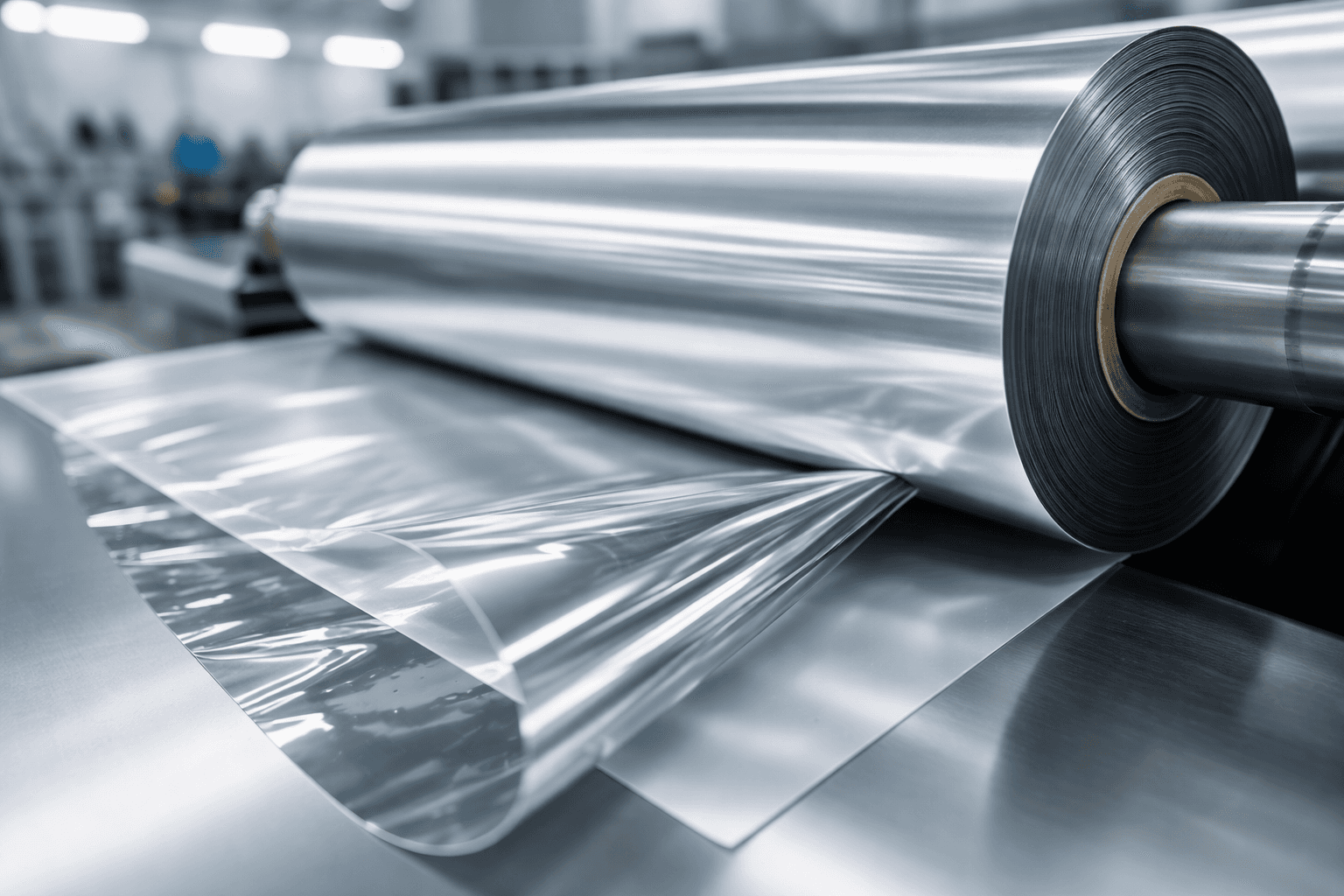
HDPE’s stiffness allows it to run smoothly on automated packaging lines. It feeds, seals, and stacks with consistency, reducing variability during production and helping teams maintain throughput even when volumes change or timelines tighten.
Chemical and Moisture Resistance
HDPE packaging provides strong resistance to chemicals, oils, and moisture. This reliability makes it suitable for household products, industrial applications, and certain food products that demand protection from contamination or degradation.
Appearance and Common HDPE Applications
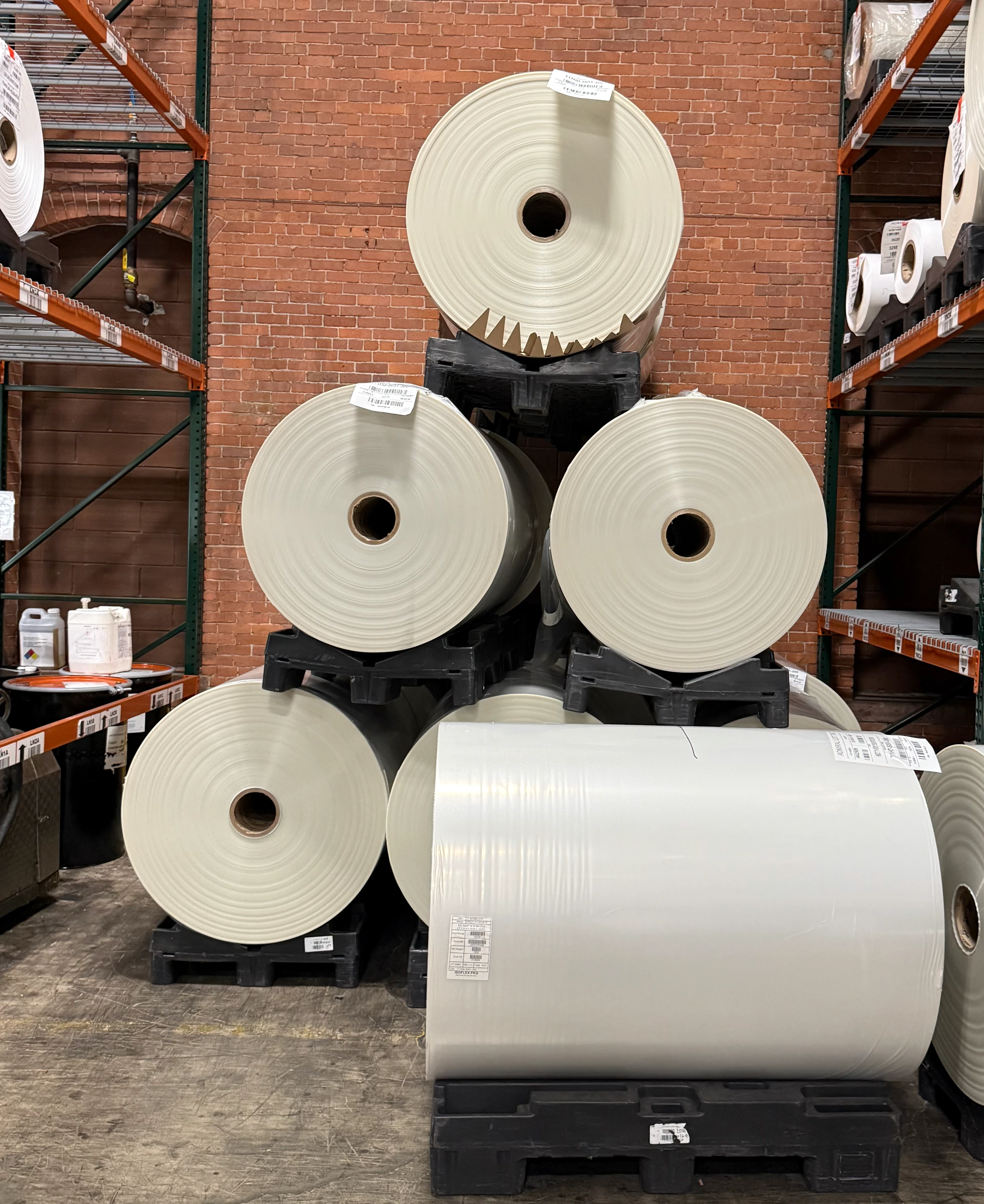
HDPE is typically opaque or lightly translucent. While it does not offer the high-clarity appearance of materials like PET or OPP, it is often chosen when performance and durability matter more than shelf appeal.
Common HDPE packaging applications include:
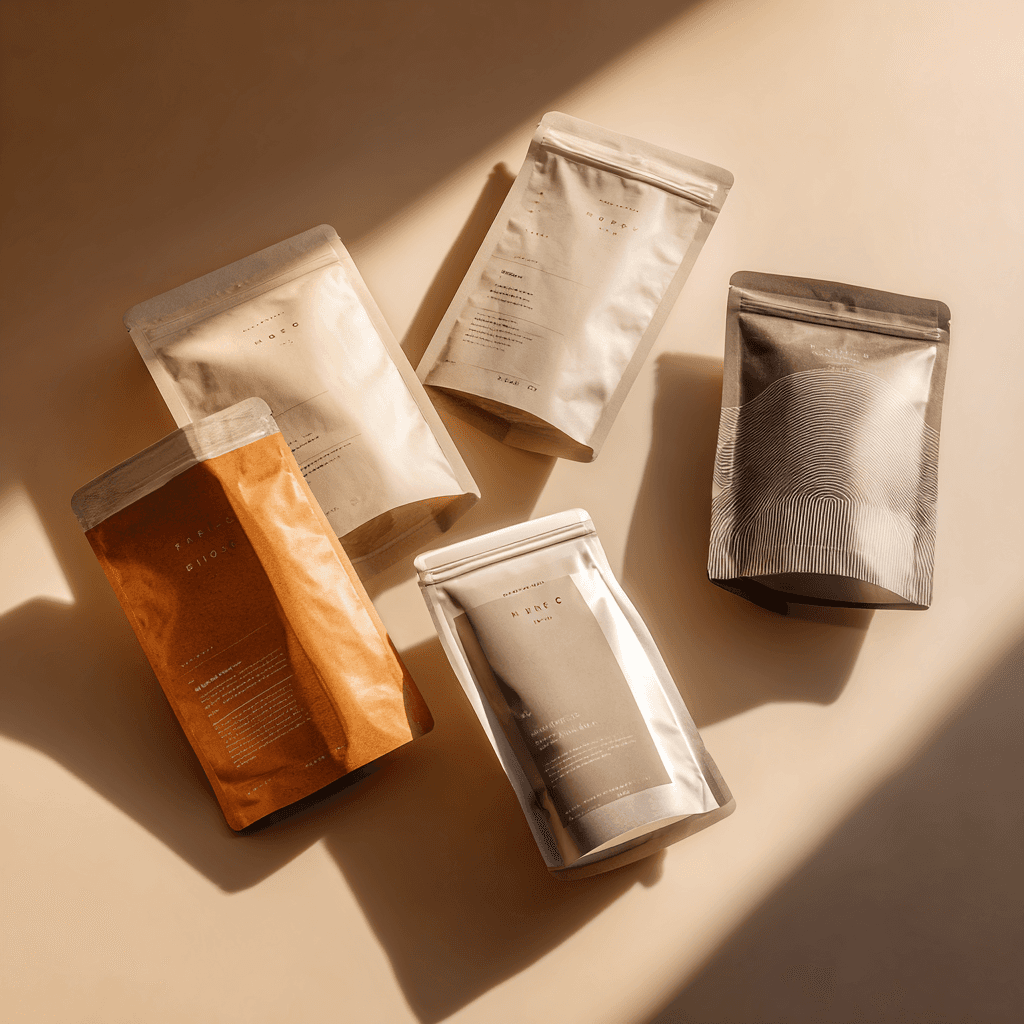
Flexible pouches and liners
Household and industrial product packaging
Food packaging such as milk, bulk powders, and snack products
In many cases, HDPE is now replacing traditional PET and LDPE laminations. These simpler structures deliver comparable mechanical performance while reducing material complexity, which can be beneficial when supply chains or recycling requirements change.
Is HDPE Packaging Recyclable?
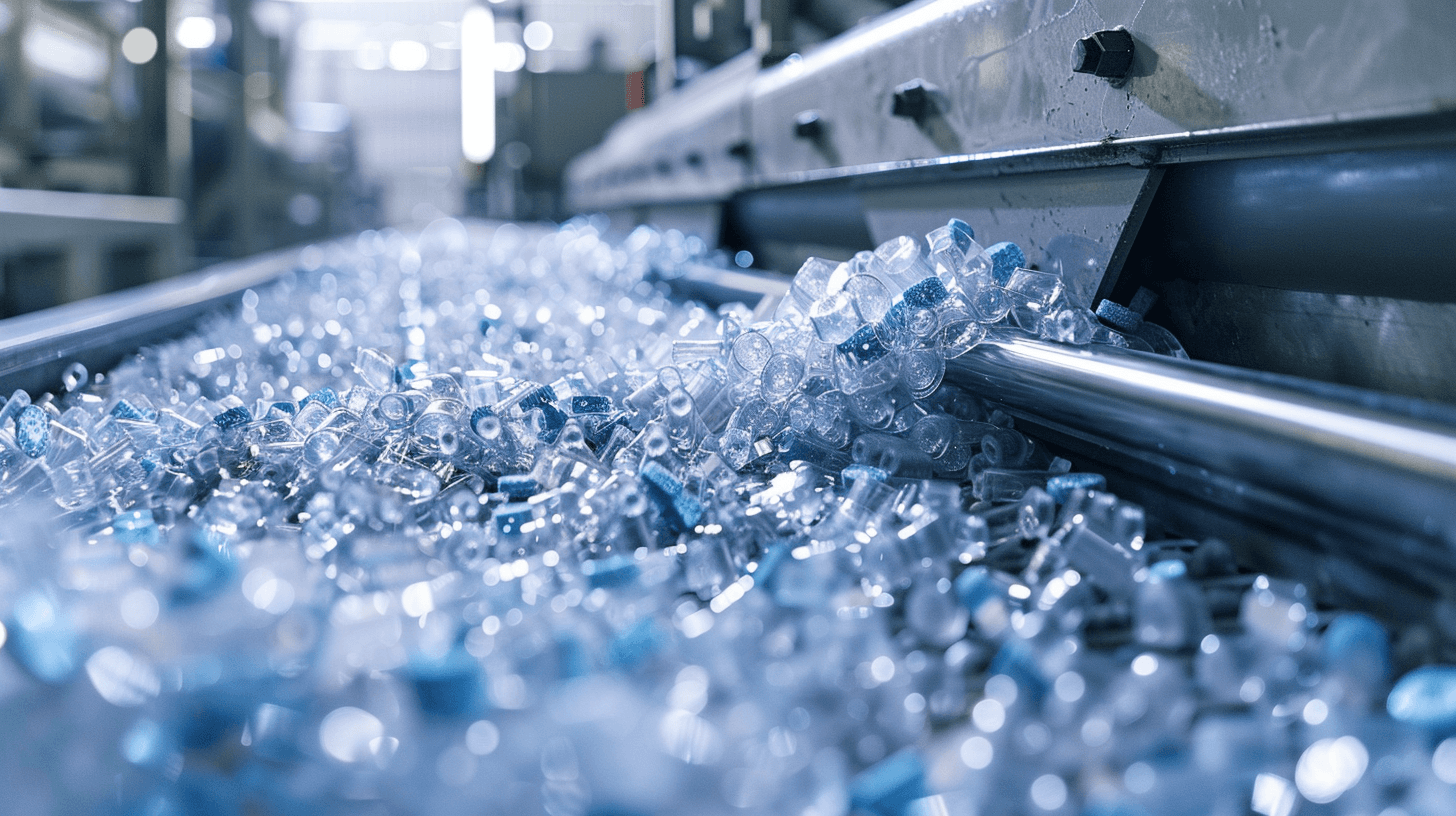
HDPE is one of the most widely recycled plastics. Many HDPE flexible packaging formats are eligible for store drop-off recycling programs, allowing the material to be collected, reprocessed, and reused.
This recyclability helps brands reduce reliance on virgin materials while still using packaging that holds up in demanding conditions. For companies balancing performance with sustainability goals, HDPE offers a practical solution.
Trade-Offs to Consider
Like all packaging materials, HDPE has limitations. Its appearance is more functional than decorative, and it has lower heat resistance unless specially modified. Understanding these trade-offs early helps packaging teams design structures that perform reliably in real-world use.
Why HDPE Works in Flexible Packaging
HDPE delivers strong, durable, and recyclable packaging for products that need protection from production through distribution. Whether used in pouches, liners, or containers, HDPE helps packages stay intact, run efficiently, and adapt to changing demands.
That reliability across production, logistics, and end use is why HDPE remains a core material in flexible packaging systems designed to handle variability without disruption.
Learn More About Packaging Materials
Choosing the right packaging material starts with understanding how it performs in real applications. If you are evaluating HDPE or comparing it with other flexible packaging materials, exploring the differences early can help avoid costly changes later.
Visit our Packaging Made Simple series to learn more about common materials, structures, and design considerations used in flexible packaging today.
About the Author