
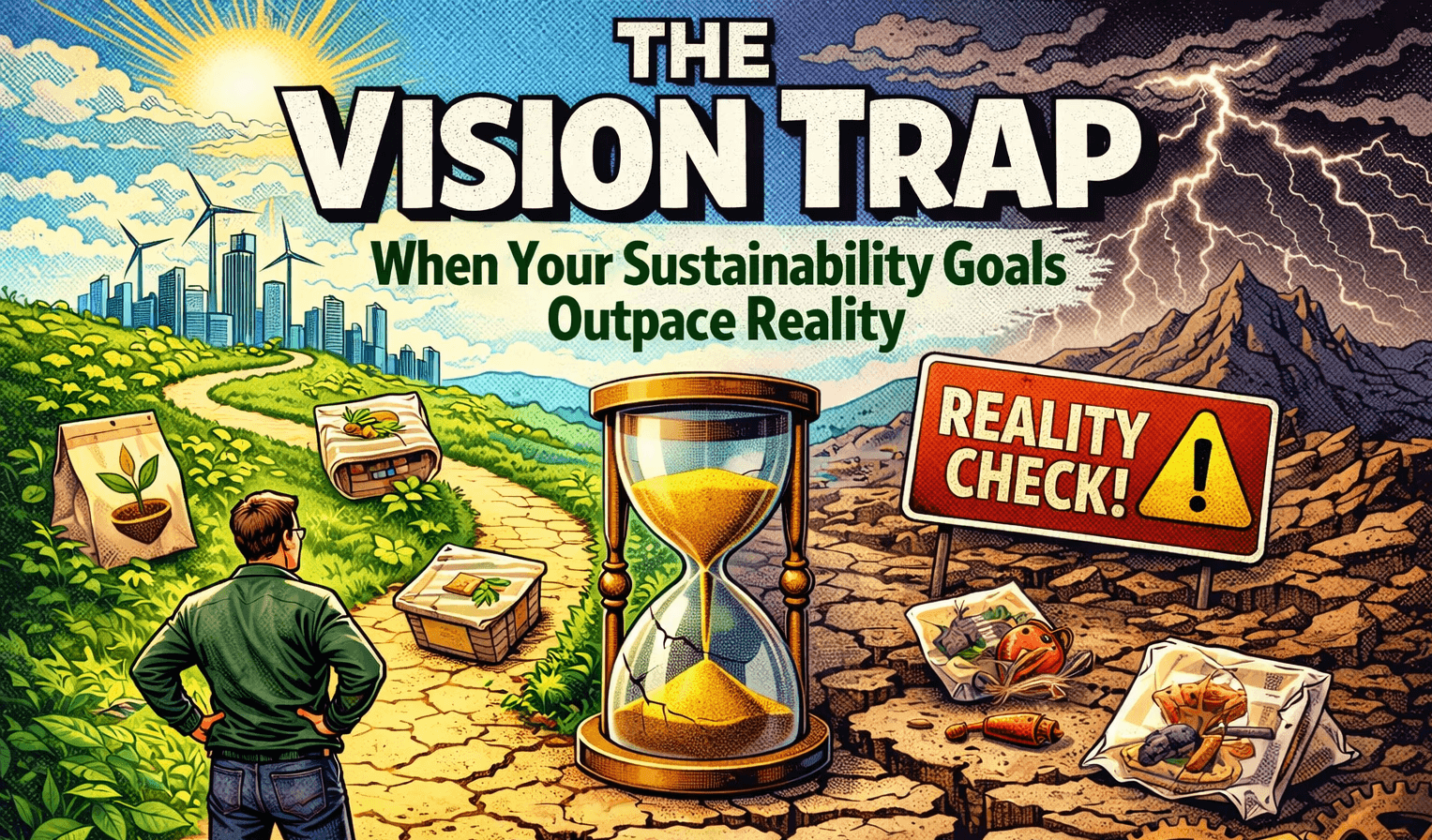
The Vision Trap: When Your Sustainability Goals Outpace Reality
In the world of entrepreneurship, "no" is often viewed as a speed bump. Founders are hardwired to ignore the status quo; it’s that exact grit that allows them to build a brand from a kitchen table into a household name. They want to disrupt their category with their product, their story, and—inevitably—their packaging.
But when it comes to the physics of material science, "no" isn’t an opinion. It’s a warning.
At Admiral Packaging, I see this daily. A founder arrives with a revolutionary product and a desire for "fringe" packaging—the kind of materials that sound like they belong in a sci-fi novel. They are set on seaweed-based films that won't run on your production equipment, or mushroom-based structures that are beautiful in a lab but crumble in a humid warehouse. They want to break the mold, but in doing so, they often choose materials that lack the basic physical properties required to keep their product safe, fresh, or shippable.
The Scars of a Pioneer
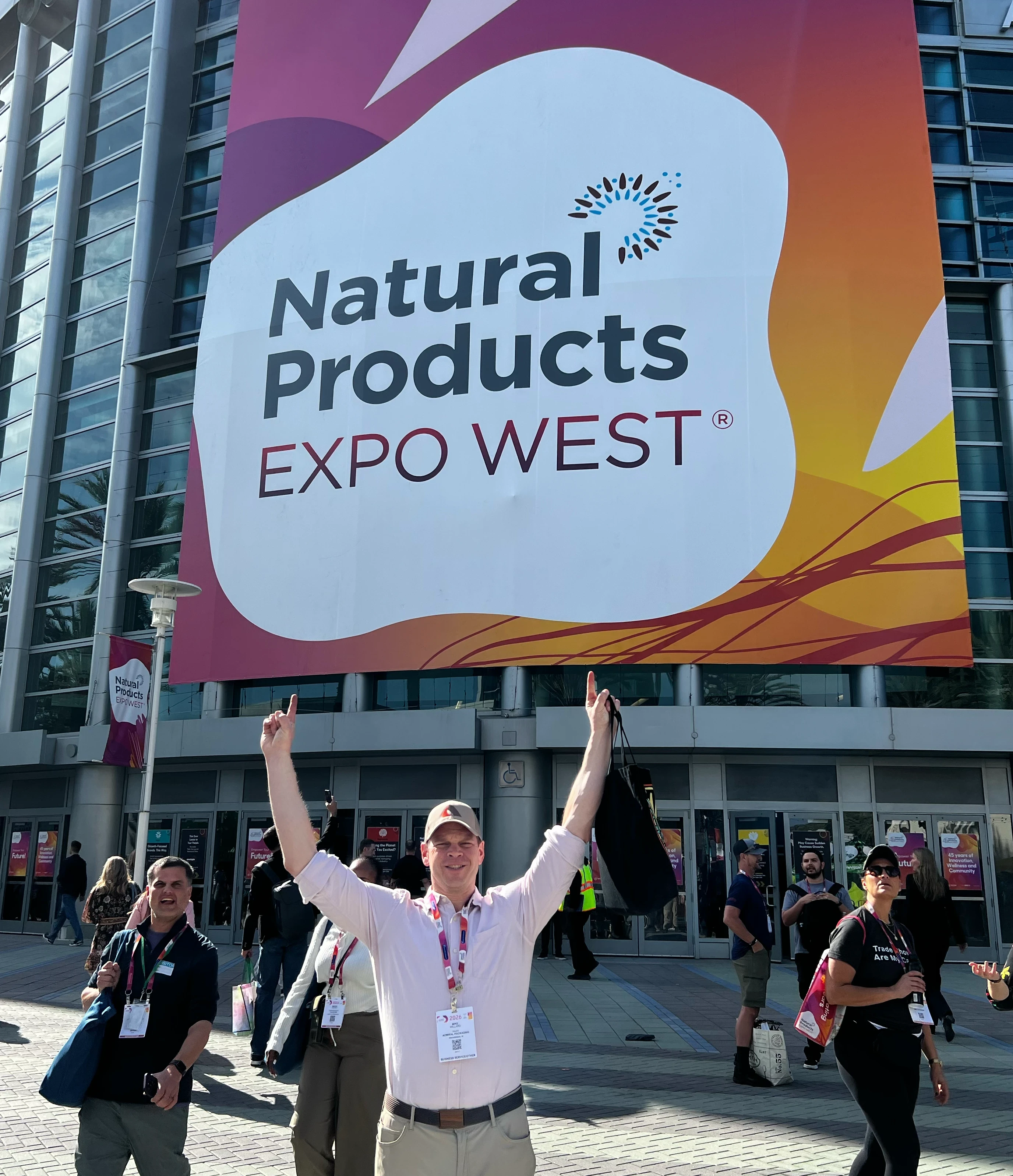
I say this as someone who has lived and breathed sustainable packaging since its infancy. I am, in many ways, a founding father of the compostable packaging movement. I’ve spent decades in the trenches of material science, watching resins evolve from experimental curiosities into functional tools. I love the "fringe." I helped build it.
But because I’ve been there since the beginning, I have the scars to prove what happens when a vision ignores the laws of chemistry and economics.
The most difficult part of my job isn’t finding a sustainable material; it’s the "Expertise Paradox." I have to look a visionary founder in the eye and tell them the material they’ve fallen in love with isn’t ready for their application. Often, these entrepreneurs are so highly trained to ignore "naysayers" that my advice falls on deaf ears. They see my caution as a lack of imagination.
In reality, it is a shield.
The Ghost of Retail Past
I remember a specific founder who was convinced that a certain experimental, bio-derived film was the only way to stay true to their brand. On paper, it was perfect—100% plant-based and home-compostable. I warned them that the material lacked the oxygen barrier their product required. I told them that while it looked great on day one, it would look like a shriveled mess by day thirty. It also would not pass Amazon's ISTA testing which means it couldn't be sold on the worlds biggest e-commerce platform.
They didn't listen. They took my recommendation for "old school" thinking.
Six months later, they were back. Not to celebrate, but to figure out how to handle thousands of units of spoiled product and a retail partner that was threatening to delist them. Their desire to be "the first" to use a specific material ended up making them the last company that retailer wanted to work with. When your business fails because of a packaging failure, you aren’t helping the planet, you’re just adding to the landfill of failed startups.
Trusting the Pivot
My goal is never to kill a vision; it’s to make that vision durable. If founders could trust the decades of trial and error I’ve lived through, they would see that a slight pivot isn't a compromise.
Changing your vision by 10%—perhaps by choosing a high-performance recyclable laminate or a more established, shelf-stable biopolymer—doesn’t make you a sell-out. It makes you a success. It allows you to grow to a scale where you actually have the market power to demand better materials from the manufacturers. Emerging brands can't spread their message if they aren't on shelf.
To the founders out there: Your story is the soul of your business, but your packaging is its face. It has to tell your story, and it has to perform in the real world. Don't let your desire to be "different" prevent you from being here five years from now. Listen to the veterans: we want to see you win.
About the Author